How Do Water Levels Affect a River Cruise?
Water levels have been a big topic in river cruising this summer, especially with unusually low water affecting parts of the Rhine, Danube, and Main rivers.
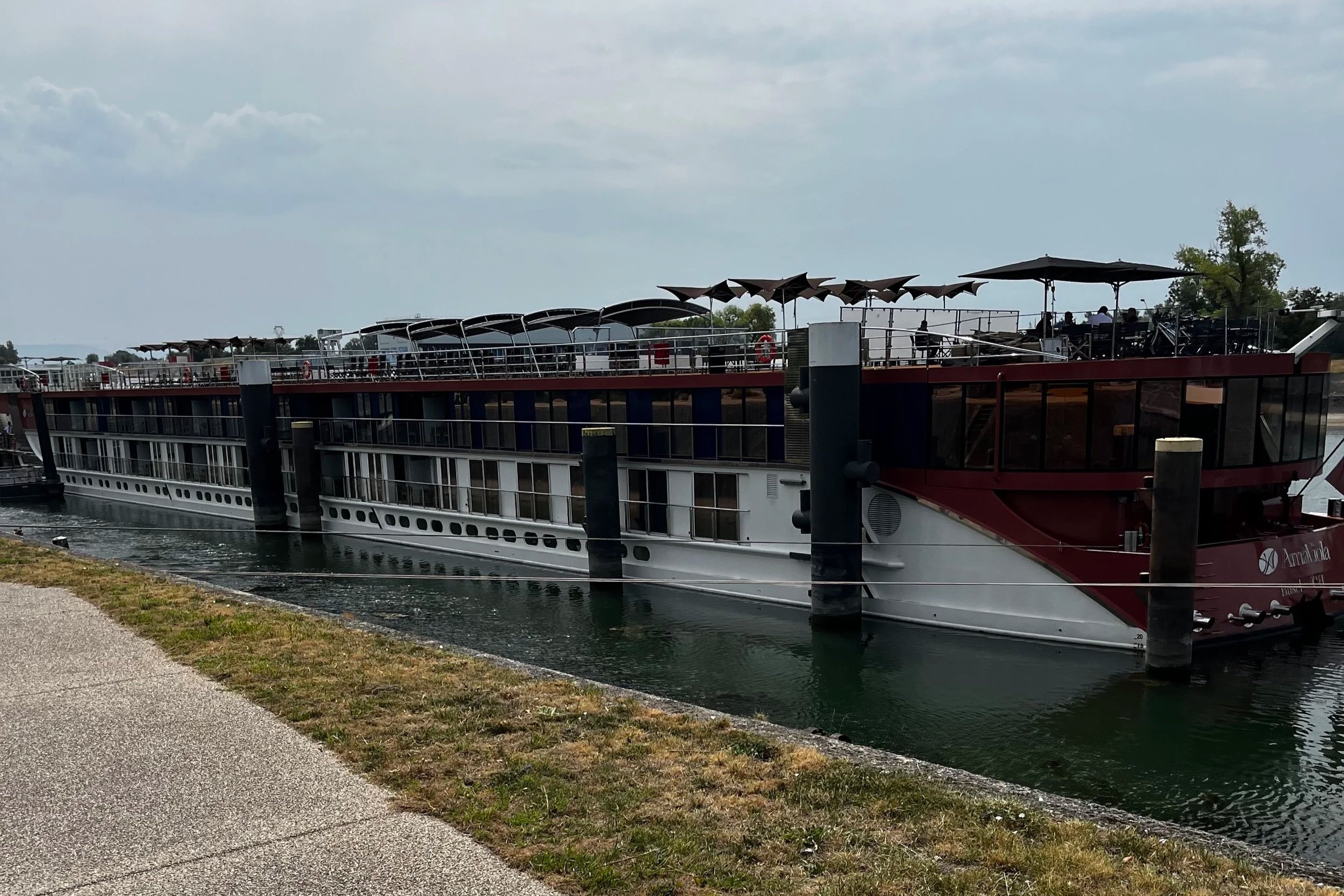
I recently got to experience this firsthand when low water changed my AmaWaterways sailing in Europe. Our original Netherlands and Belgium itinerary could no longer operate as planned, and about six days before departure, we learned that AmaWaterways had put together a different route for us.
Even after experiencing how much a river cruise itinerary can change, I still believe river cruising is an excellent way to travel. You unpack once, visit several destinations, and have many of the details handled along the way. But you are traveling on a river, and sometimes the river gets a say in the itinerary.
Both low and high water can affect where a river cruise ship sails, docks, embarks, or disembarks. When that happens, cruise lines may adjust ports, stay docked longer while excursions continue, transfer guests between sister ships, use motorcoaches around an affected section, or create an alternative itinerary. Every situation is different, which means there is no single answer for how a particular sailing will be handled.
Are low water levels normal for European river cruises?
It is important to put this summer in perspective.
The conditions affecting parts of Europe in 2026 are exceptional, with historically low water reported along sections of several major rivers. The Danube in Romania reached its lowest level in approximately 30 years, while parts of the Rhine, Main, and Upper Danube were running below seasonal norms, according to AmaWaterways' summer water-level update.
Water levels can affect river cruises in any year, and Europe experienced other difficult low-water periods in 2018 and 2022. However, the extent of the changes travelers are seeing this summer is not typical.
I would not look at this summer's headlines and assume that major itinerary changes are simply part of every European river cruise. Most sailings do not require an entirely new route, ship changes, or last-minute flight adjustments.
At the same time, changing river conditions are always a possibility. Understanding that before booking can help you respond if your sailing is one of the exceptions.
Why do water levels affect river cruises?
A river cruise ship needs enough water beneath it to sail safely. When water levels fall too low, certain stretches of a river may become difficult or impossible to navigate.
Many river cruise ships are designed with a shallow draft, meaning they do not sit as deeply in the water as other vessels. That can give them more flexibility when water levels drop, but it does not mean they can sail through every condition.
High water creates a different problem. A ship may have plenty of water beneath it but not enough clearance to pass under a bridge. High water can also affect locks, docks, and access to certain ports.
This is why water-level questions rarely have a simple yes-or-no answer. One section of a river may be affected while another continues operating normally. Conditions can also change quickly after rainfall.
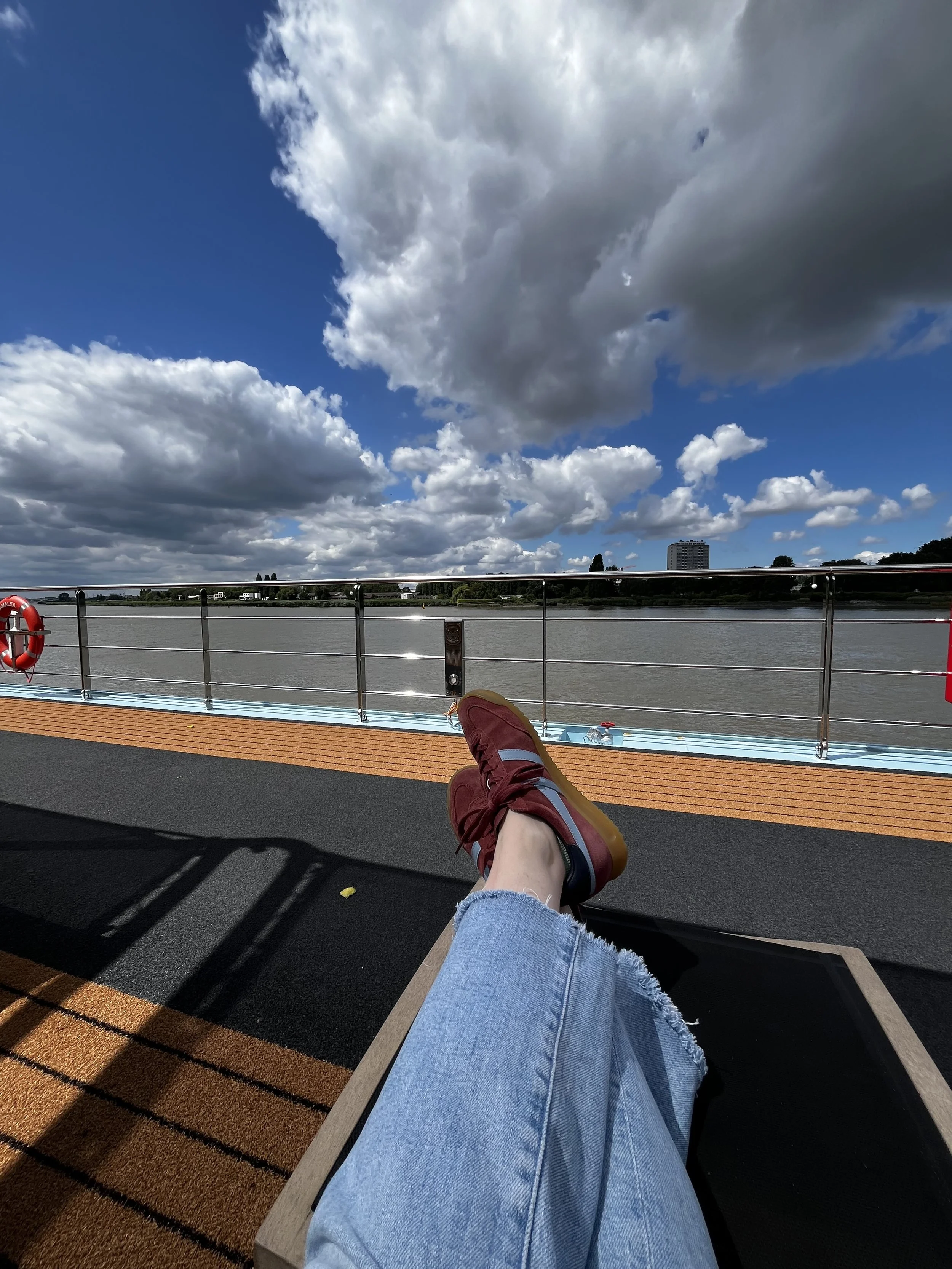
I enjoyed spending time on the deck, enjoying the view of the river
What happens when a river cruise cannot follow its itinerary?
There is no blanket policy because each sailing is a different situation.
The cruise line has to look at the specific river conditions, where its ships are located, which ports remain accessible, how long the problem is expected to last, and what alternatives are available.
Depending on the circumstances, the cruise line may:
Stay docked longer and operate excursions from that location
Change or rearrange ports
Use motorcoaches to bypass an affected section
Transfer guests to a sister ship
Change the embarkation or disembarkation city
Add hotel stays for part of the itinerary
Create a different route
Offer travelers the option to continue, reschedule, or cancel
Some of these changes are relatively minor. A ship might dock in a different location or visit the same destinations in another order.
Other changes can have a larger effect on the trip. Some travelers this summer have spent additional time traveling by motorcoach or stayed in hotels when their ship could not continue sailing.
A ship remaining in one location does not necessarily mean sightseeing stops. During my cruise, our ship stayed in Strasbourg for a second day while I took an excursion to Heidelberg. We were not sailing that day, but we were still able to experience another destination.
That was one solution for one day of one particular cruise. Another departure, even on the same river, might need a completely different plan.
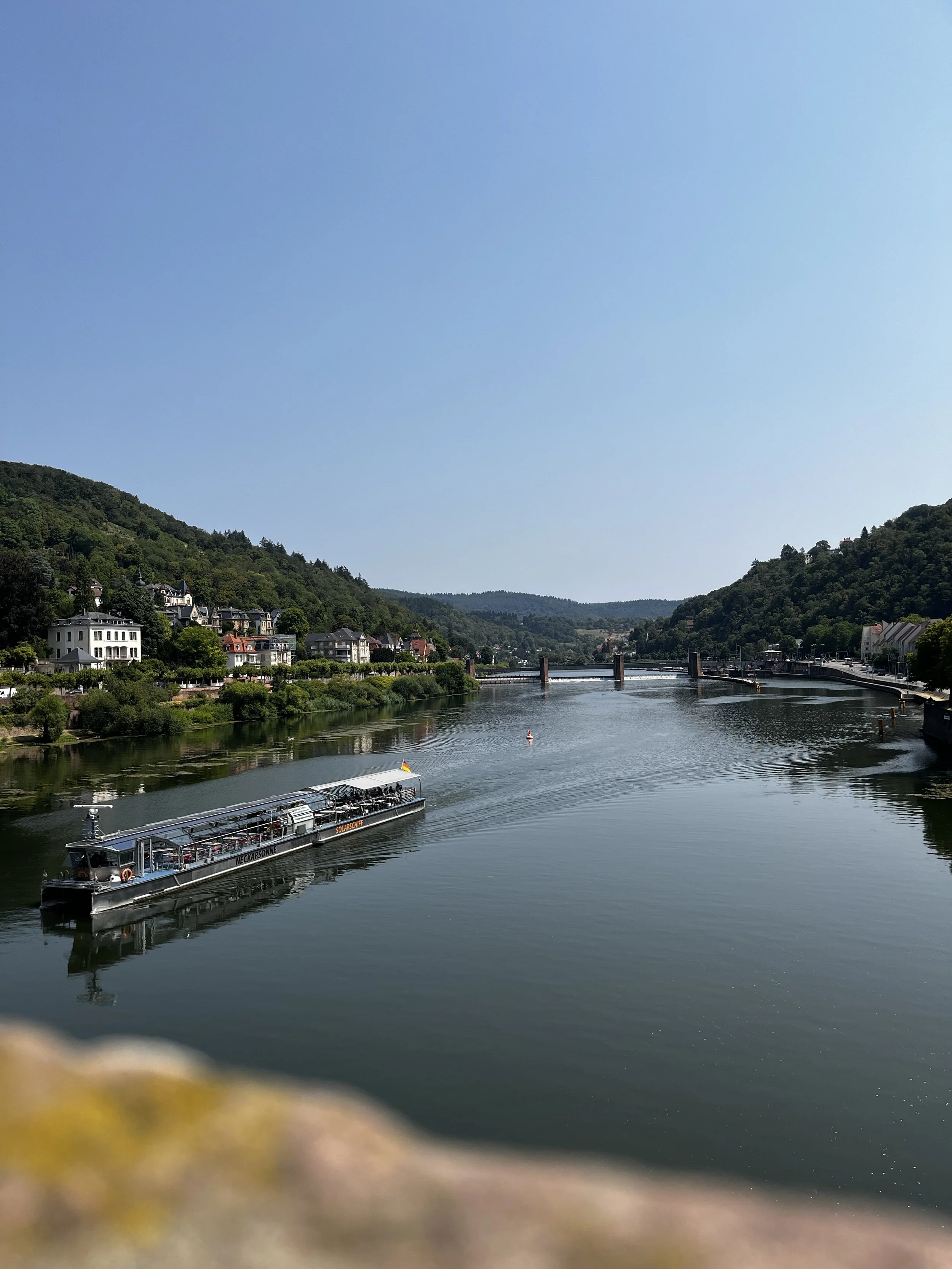
Heidelberg, Germany was one of the locations not on our original itinerary that I was able to visit.
How much notice will I receive about an itinerary change?
Unfortunately, there is no standard notification window.
I learned about my revised itinerary six days before departure. Some travelers may receive more notice, while others may receive considerably less. Changes can also happen after the cruise has already started.
That is not necessarily because the cruise line has been ignoring the problem. River conditions can change quickly, and the operating team may be monitoring rainfall, forecasts, bridge clearance, docking access, and water levels in several locations before determining what needs to change.
They also need to figure out what the alternative will be. Can the ship remain in port while guests take excursions? Is a sister ship available on the other side of the affected section? Can guests travel around the problem by motorcoach? Does the cruise need to begin or end somewhere else?
The answer could be different for two sailings departing only a few days apart.
My six days' notice gave me time to make the necessary changes, but it still required some quick decisions. Flights needed to be rearranged, the weather forecast looked different, and my packing list suddenly needed another look.
It is worth understanding that you may not have weeks to consider your options. You may need to decide shortly before departure or while you are already traveling.
How did low water change my AmaWaterways cruise?
I was traveling with AmaWaterways on a content and training FAM for travel advisors. Our original itinerary was a roundtrip sailing from Amsterdam through the Netherlands and Belgium.
Because of the low water, AmaWaterways created another itinerary. We began in Amsterdam, sailed to Antwerp, traveled by motorcoach with a stop in Luxembourg, and then joined a sister ship in Strasbourg. We visited Strasbourg, Heidelberg, and Colmar before ending in Basel.
That is the short version. The more important part is how AmaWaterways handled the change.
Our Cruise Manager, Rudi, was incredible. She stayed with us throughout the trip and traveled with us on both ships. Having the same person guiding us through the revised itinerary provided some much-needed continuity.
And when AmaWaterways said we would be moving to a sister ship, they meant a true sister ship. I walked into my new stateroom and it was exactly the same as the one I had left. Everything was where I expected it to be, which made the move surprisingly easy.
It came together well. It was not the cruise originally planned, but it was still a very good trip.
Should you continue if your river cruise changes?
This is where the answer becomes personal.
I cannot tell every traveler that they should continue, just as I would not tell everyone to cancel. I would first want to understand what they were most looking forward to.
If watching the scenery from the ship along one particular stretch of river was the reason you booked, replacing that time with motorcoach transportation may change the experience too much for you.
If you were more interested in visiting the destinations and the revised plan still includes places and experiences you would enjoy, you may decide to go. You might even visit somewhere you had not expected to see.
Before deciding, I would ask:
What has actually changed?
Which parts of the original trip are still included?
How much time will be spent traveling by motorcoach?
Will nights on the ship be replaced with hotel stays?
Are the embarkation or disembarkation cities different?
What will need to change before or after the cruise?
What options is the cruise line offering?
Does the revised trip still fit what I wanted from this experience?
A recommendation is only as good as how well it fits the people taking the trip. The same applies here.
Two travelers could look at the same revised itinerary and make completely different decisions. Neither one is necessarily wrong.
If you are trying to decide whether a river cruise is the right fit, I can help you look beyond the list of ports and compare the cruise lines, ships, itineraries, and policies that can shape the experience. Schedule a consultation, and we can talk through your options together.
Will travel insurance cover a river cruise change?
It depends on the policy and the circumstances.
Travel insurance does not automatically mean that every water-level change will be covered. The benefits, covered reasons, exclusions, and cruise line's response all matter. This is why I recommend understanding the policy you are purchasing rather than assuming every plan provides the same protection.
The cruise itself is also only one piece of the trip.
In my case, ending in Basel instead of Amsterdam meant changing flights. Travelers may also have hotels, airport transfers, train tickets, or independent plans before and after the sailing that need to be adjusted.
This is one of those moments when having a travel advisor in your corner becomes especially valuable. Instead of receiving a changed itinerary and trying to decipher every moving piece yourself, you have someone who can help you understand the available options and how each one affects the rest of your trip.
You still make the final decision. You just have help making sense of it.

Even with changes, river cruising is still an incredible way to experience Europe.
Is river cruising still worth it?
Yes. Absolutely.
After experiencing a significant itinerary change myself, I still think river cruising is an excellent way to travel.
You (typically) unpack once. You visit several destinations. Many meals, excursions, and transportation details are included. The ship becomes a comfortable place to return to at the end of the day, without moving into a new hotel every few nights.
For couples, friends, families with adult children, and multigenerational groups, it can be an easy way to experience several places together while still having choices in how everyone spends the day.
Water levels are part of river cruising, but they are not the whole story. Most cruises operate as planned. When they do not, the cruise line's ships, operations, and people can make a real difference in how the experience unfolds.
My cruise was not the trip I expected when I packed my suitcase. But AmaWaterways handled the changes well, I visited some wonderful places, and I came home still believing that river cruising is one of the best ways to see Europe.
Sometimes the river changes the plan. That does not mean the trip cannot still be worth taking.
A river cruise can be an excellent way to experience Europe, especially when the cruise line and itinerary fit how you want to travel. If you are considering one, I can help you compare the options, understand what matters before you book, and put the surrounding flights, hotels, and logistics together.