Which Type of Cruise Is Right for You?
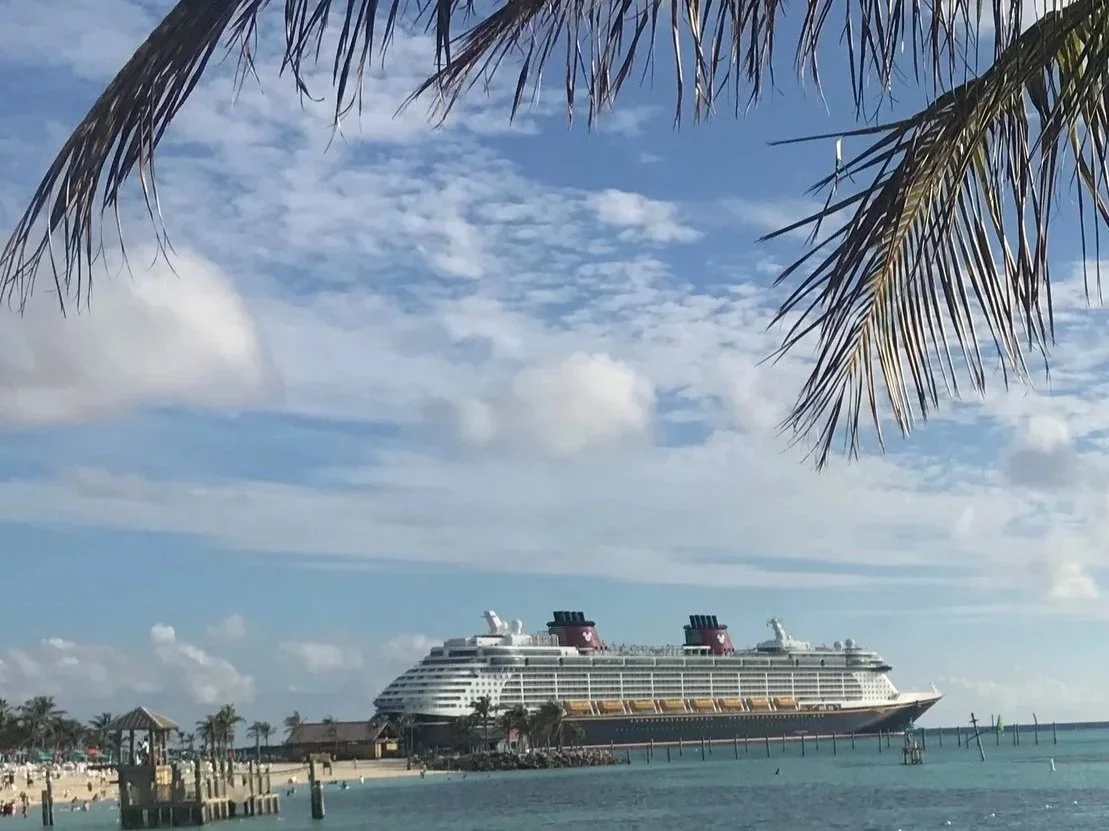
“I would never go on a cruise.”
I hear this more often than you might expect. Sometimes it comes from someone who cruised once and did not enjoy it. Other times, they are picturing a huge ship, crowded pool decks, and thousands of passengers all doing the same thing.
But cruising is not one type of trip. Ocean, river, and expedition cruises offer very different experiences. The right fit depends on what you want to see, how you like to spend your days, how much you want happening aboard the ship, and whether the ship is part of the vacation or primarily how you reach the places you came to experience.
You may decide cruising is not for you. But before ruling it out, it helps to know exactly which kind of cruise you are ruling out.
What is the difference between ocean, river, and expedition cruises?
The easiest way to understand the difference is to look at the role the ship plays in the trip.
On an ocean cruise, the ship can be a major part of the experience. Depending on the ship and cruise line, you may have multiple restaurants, pools, entertainment, activities, spa facilities, and plenty to do during days at sea.
A river cruise is more closely connected to the destinations along the route. The ships are smaller, touring is often included, and you may dock close to the places you came to see.
An expedition cruise uses the ship to reach places that would otherwise be difficult to experience. The focus is usually wildlife, landscapes, education, and guided exploration.
That is the big-picture difference. Within each category, the cruise line, ship, itinerary, and inclusions can shape the experience just as much as the type of cruise.
Is an ocean cruise right for you?
Ocean cruising offers the widest range of choices, from very large resort-style ships to smaller ships with a quieter atmosphere and more destination-focused itineraries.
An ocean cruise may be a good fit if you:
Want plenty of dining, entertainment, or activity choices
Enjoy having both busy and quiet ways to spend the day
Are traveling with a group whose ages and interests vary
Want to visit several destinations without repeatedly changing hotels
Like the idea of the ship being part of the vacation
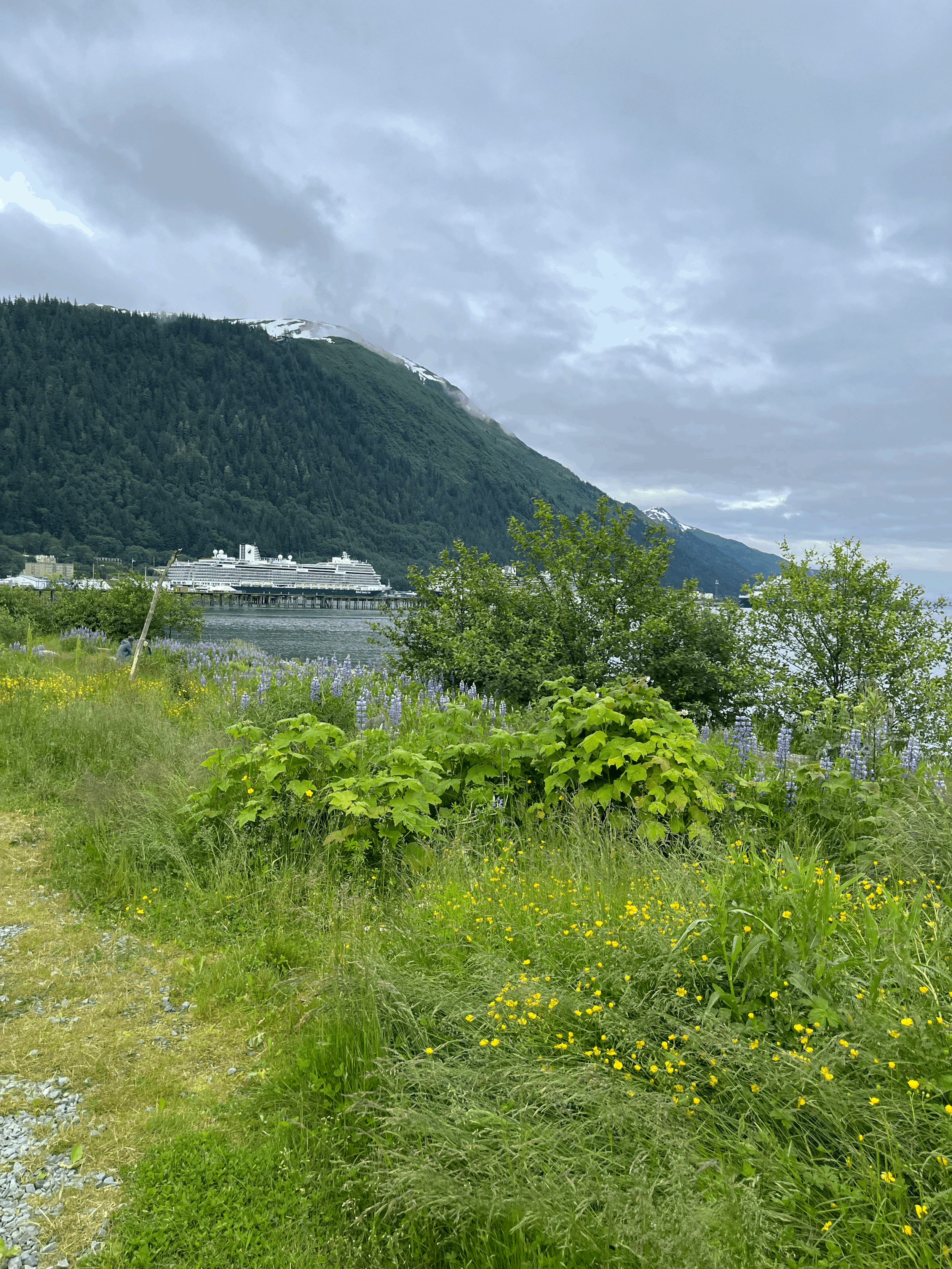
This flexibility can be especially useful for multigenerational travel. On my family’s Alaska cruise, we had 13 travelers ranging in age from 2 to 76. The ship gave everyone choices without requiring us to spend the entire trip apart. We could come together for meals, excursions, and experiences like Glacier Bay, while still giving each person room to enjoy the day differently.
Read more about our multigenerational Alaska cruise.
The size of the ship matters. Larger ships generally offer more restaurants, entertainment, activities, and spaces to explore. Smaller and mid-sized ships may feel calmer and visit ports that cannot accommodate the largest vessels.
The itinerary matters, too. A Mediterranean cruise with frequent port days will feel very different from an ocean crossing with several days at sea. An Alaska cruise may focus heavily on scenery and wildlife, while another itinerary puts more emphasis on warm weather and the ship.
“Ocean cruise” is only the beginning of the decision.
Is a river cruise right for you?
River cruising places much more emphasis on the destinations and the route.
The ships are smaller because they must navigate rivers, bridges, and locks. You will not find the same number of restaurants, shows, pools, or onboard activities offered by a large ocean ship. Instead, the experience is generally built around frequent stops, regional culture, guided excursions, and watching the landscape pass by.
A river cruise may be a good fit if you:
Want to experience several destinations without moving between hotels
Enjoy history, culture, food, wine, or guided sightseeing
Prefer a smaller ship and a calmer onboard atmosphere
Like having much of the touring organized in advance
Want the destinations, rather than the ship’s amenities, to lead the trip
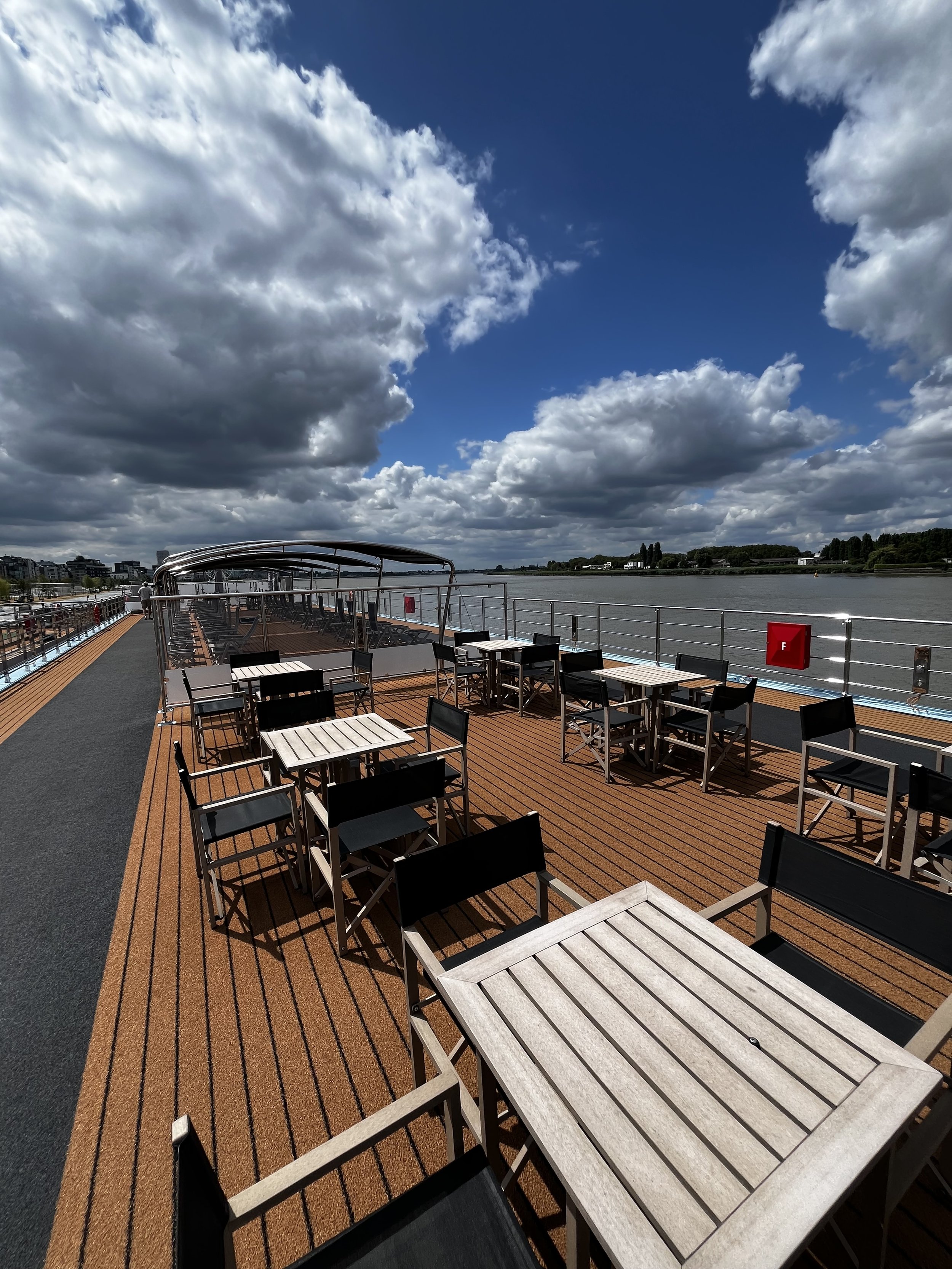
Many river cruise lines include shore excursions, although the choices, activity levels, and inclusions vary. Depending on the cruise line and itinerary, options may include walking tours, bike rides, hikes, food and wine experiences, or time to explore independently.
River cruising is often described as a relaxing way to travel. It can be, but that does not mean every itinerary is slow. Excursions may leave early, and port-intensive sailings can include a new destination almost every day.
The ease comes from unpacking once and having many of the logistics handled. How busy the trip feels depends on the itinerary and how you choose to spend your time.
My recent AmaWaterways sailing gave me a firsthand look at both the appeal of river cruising and how a cruise line may respond when water levels change the plan.
Read what happened when low water changed my river cruise.
If you are comparing ocean and river cruises and cannot tell which one fits what you want from Europe, schedule a consultation so we can talk through the differences. The right answer involves much more than choosing the itinerary with the most recognizable ports.
Is an expedition cruise right for you?
Expedition cruising is less about traditional onboard entertainment and more about access.
These cruises travel to places such as Antarctica, the Galápagos, the Arctic, and remote areas of Alaska and other regions. The ship supports the exploration, but it is rarely the main attraction.
Depending on the destination and cruise line, the experience may include Zodiac rides, guided walks, wildlife viewing, lectures, kayaking, or other active excursions led by an expedition team.
An expedition cruise may be a good fit if you:
Are drawn to wildlife, landscapes, science, or remote destinations
Want knowledgeable guides and an educational component
Are comfortable with plans changing based on conditions
Value access and exploration more than traditional cruise entertainment
Want to experience places that are difficult to reach independently

Flexibility is especially important. Weather, ice, wildlife, and local conditions may determine what is possible on a particular day. A landing could change, or the expedition team may adjust the schedule when an unexpected opportunity appears.
Expedition ships also vary considerably. Some provide a more rugged experience, while others offer spacious accommodations, excellent dining, and a high level of service. Activities, equipment, physical demands, and inclusions differ by cruise line and itinerary.
Choosing an expedition cruise requires looking beyond the destination name. The ship, expedition team, planned route, landing opportunities, and activity level all help determine whether the experience fits you.
What should you compare when choosing a cruise?
Even after deciding between ocean, river, and expedition cruising, you are not finished.
Two cruise lines sailing in the same region can offer very different experiences. So can two ships operated by the same cruise line.
Before choosing, consider:
Ship size: Do you want extensive choices or a more intimate atmosphere?
Time aboard: Are you comfortable with sea days, or do you want to be in a destination almost every day?
Touring style: Do you prefer independent exploration, included sightseeing, or guided outings?
Onboard atmosphere: Are you looking for lively entertainment, quiet evenings, enrichment, or some combination?
Activity level: How much walking or physical activity do you want?
Inclusions: Which meals, beverages, excursions, gratuities, Wi-Fi, and transfers are included?
Who is traveling: Does the ship offer enough choices for everyone without making the experience feel disconnected?
This is where online recommendations can become confusing. Someone may love a particular cruise line because of its nightlife, formal service, food, children’s programming, or adventurous excursions. That does not mean the same cruise line will fit what you want.
A recommendation is only as good as how well it fits the people taking the trip.
Is cruising right for everyone?
No, and it does not need to be.
A cruise may not be the right fit if you want to settle into one neighborhood, make spontaneous decisions each morning, or spend most evenings experiencing local restaurants and nightlife. Port schedules can limit your time in a destination, and even smaller ships operate within an itinerary.
But cruising can be an excellent fit when it solves the right planning problem.
It can bring several generations together while giving everyone choices. It can make a multi-destination trip easier to manage. It can provide access to remote regions or allow you to experience several European destinations without repeatedly packing and unpacking.
The important part is not convincing yourself to like cruising. It is understanding what you want from the trip and determining whether a particular cruise can provide it.
How do you choose between ocean, river, and expedition cruises?
Start with the experience, not the cruise line.
Ask yourself:
What am I hoping this trip will be?
How important are the ship’s dining, entertainment, and amenities?
Do I want independent time or guided touring?
Am I comfortable with sea days?
How active do I want the trip to be?
Is there one destination I want to explore deeply, or do I want an introduction to several places?
What does each person traveling need from the experience?
Once those answers are clear, you can compare the cruise types, itineraries, ships, cabin categories, and cruise lines that make sense.
I do not recommend cruising as a default, and I would not recommend the same cruise to every traveler. My role is to understand what you are hoping the trip will be, explain the differences that matter, and help you choose an experience that fits the people taking it.
If cruising is on your travel wish list, or you are wondering whether it should be, contact me to start planning. We can make sense of the options and put the pieces together around how you actually want to travel.