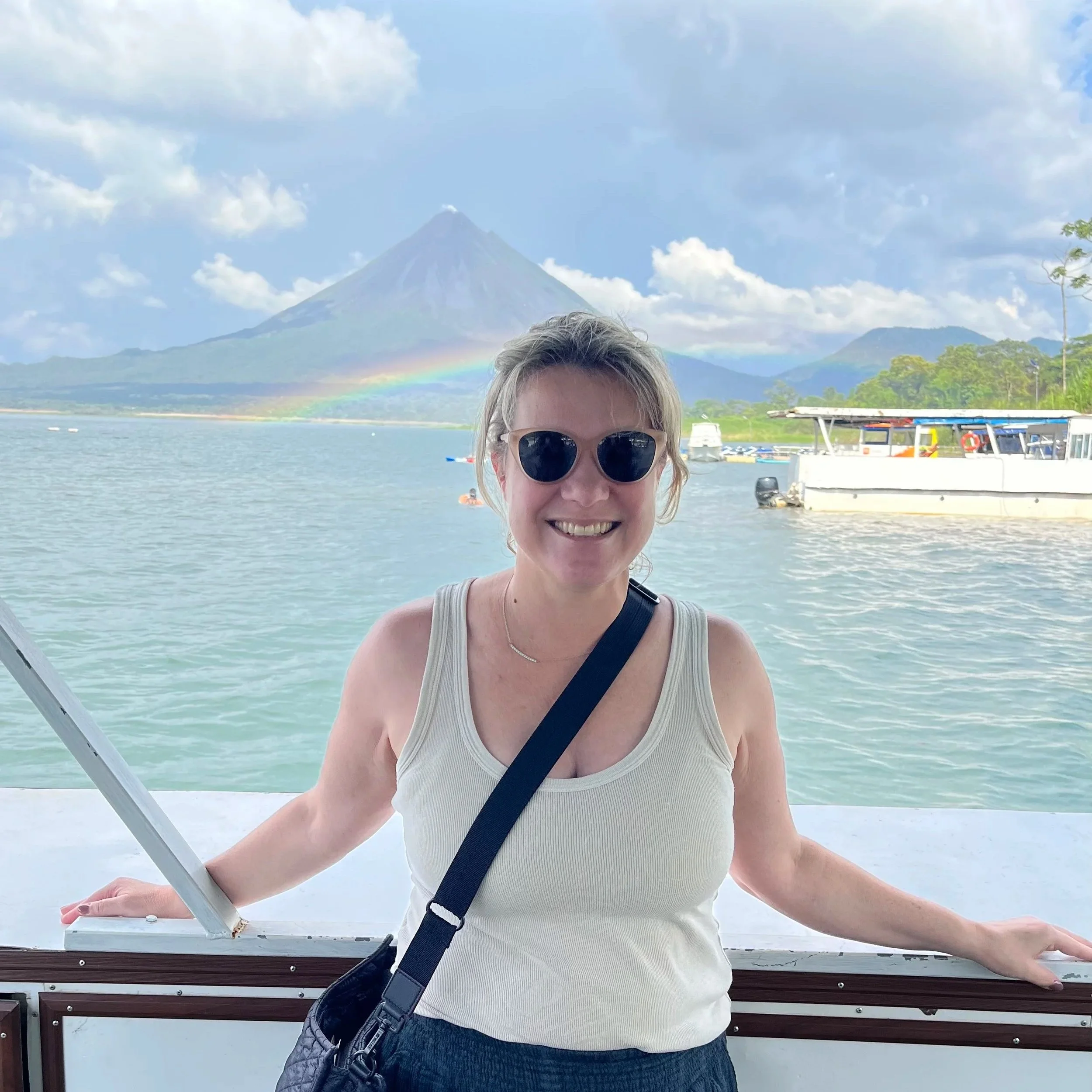
What Is Mahjong Travel? Cruises, Retreats and More
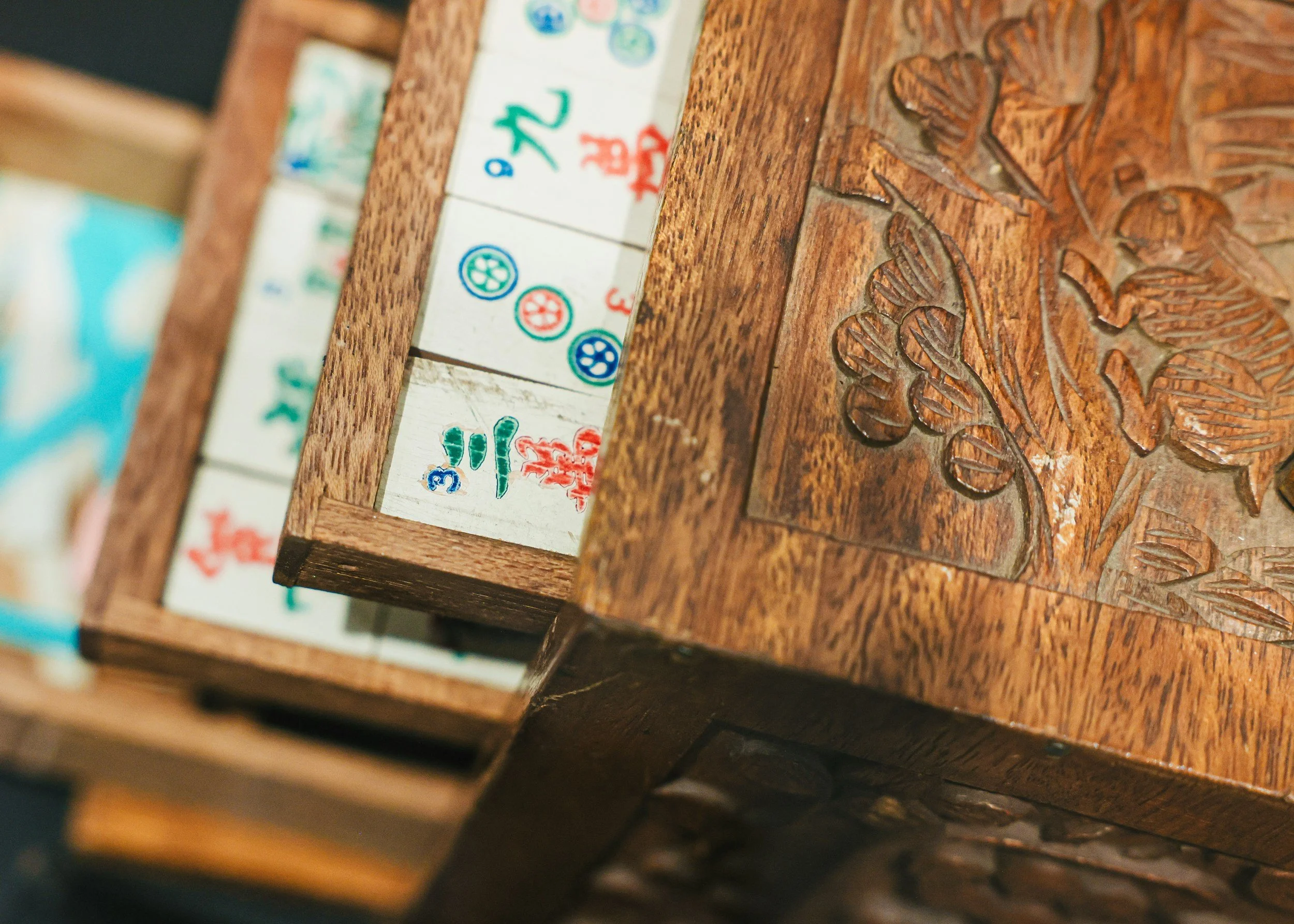
If it feels like mahjong is suddenly everywhere, you are not imagining it.
I spent more than a year trying to learn mahjong. I kept running into roadblocks, could not find the right class, and honestly almost gave up. When I finally had my first real lesson in early 2026, I understood why people love the game so much.
It is not only the strategy or the beautiful tiles. It is the feeling around the table. Phones are down. Everyone is present, laughing, catching up, and connecting with the people sitting across from them.
Some of the women I play with now are friends I met more than 20 years ago in a local playgroup. Life got busy, our kids grew up, and mahjong brought us back around the same table. That is a pretty special thing for a game to do.
I think there is something bigger happening with mahjong right now. Maybe it is screen burnout and the desire to put our phones down and actually be somewhere. Maybe it is simply the joy of sitting across from someone, sharing a laugh, and feeling like yourself again. Whatever brings someone to the game, that feeling around the table seems to be what keeps people coming back.
So when the opportunity came together to combine mahjong with travel, it felt like a natural fit. Travel also gives us a reason to step away from the usual routine, connect with other people, and share an experience.
But Mahjong Travel can mean very different things. Before choosing a trip, it helps to understand how much of the experience is centered on the game, how much is centered on the destination, and whether that balance fits you.
What is Mahjong Travel?
Mahjong Travel combines a planned trip with opportunities to play alongside others who enjoy the game. It is a broad category, not one specific kind of experience.
On one end are experiences where mahjong is the main event. Travelers may choose the trip because of the instructors, tournament, scheduled sessions, or amount of dedicated playing time.
On the other end are trips where the destination leads. The group may spend most days exploring, with mahjong offered in the evening, during downtime, or on days when the itinerary is lighter.
Neither approach is automatically better. The important question is which balance matches what you want this particular trip to be.
What are the most common types of Mahjong Travel?
As Mahjong Travel continues to grow, the experiences can take several forms.
Mahjong cruises
A cruise naturally creates a mix of structured time and flexibility. Sea days can allow for longer play sessions, tournaments, or instruction, while port days leave room to explore the destination. The ship also offers dining, entertainment, and other activities when guests are not at the tables.
The amount of play will depend heavily on the itinerary. A sailing with several sea days can support a more mahjong-focused schedule than a port-intensive cruise or river cruise where travelers are off the ship most days.
Mahjong retreats
A retreat usually stays in one resort or destination and can build the daily schedule around mahjong, meals, relaxation, and a smaller number of local experiences.
Some retreats may be very play-focused. Others might combine mahjong with wellness activities, spa time, food and wine, or another shared interest. The property and surrounding destination still matter, especially for anyone who wants more than time at the tables.
Destination-first group trips
On a destination-first trip, the place comes first. The itinerary might include touring, meals, cultural experiences, and time in more than one location. Mahjong is included because the travelers share the interest, but it is not the reason every day is structured.
Play might happen after dinner, during an open afternoon, or at a hotel where the group stays for several nights. This format can work well for travelers who want to experience a destination with others who already have something in common.
Within any of these categories, the balance can change. A mahjong cruise could be built around competitive tournament play or relaxed social games. A retreat could have a full schedule or plenty of independent time. The name of the trip tells you the format, but not necessarily what it will feel like.
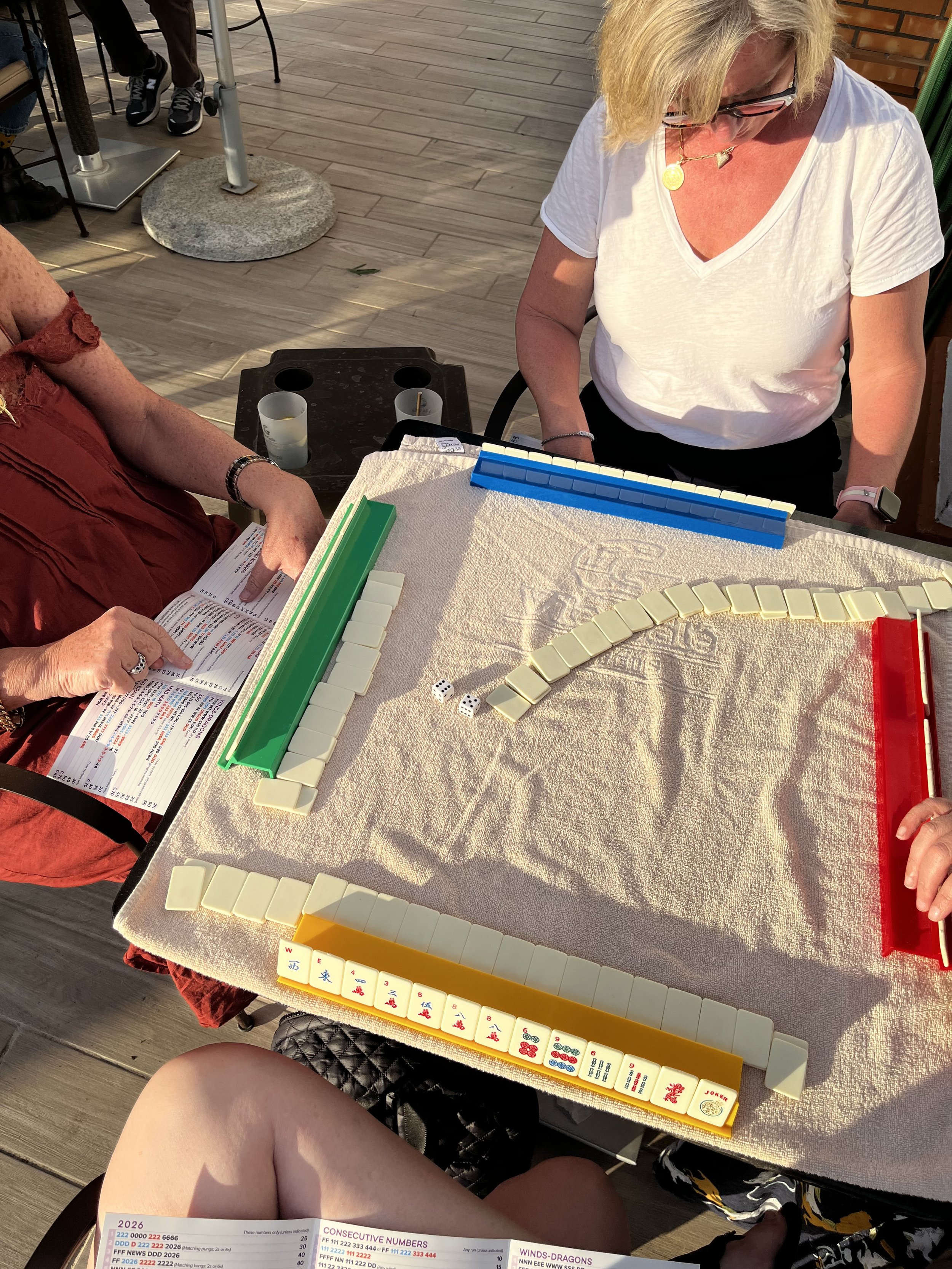
Mahjong Travel can include formal or informal games, like this casual one.
How much time is usually dedicated to mahjong?
It depends entirely on the trip.
A mahjong-first event may include scheduled sessions each day, tournament play, open tables, instruction, and dedicated playing space. A destination-first experience may include only a few organized sessions across the trip.
Before signing up, look beyond the number of hours listed. Consider when the sessions take place and what they overlap with. Is play scheduled during a sea day, after dinner, or at the same time as an excursion you would want to take? Is participation expected, or can you choose which sessions to join?
Someone looking for several hours of serious play may be disappointed by a trip where mahjong appears only occasionally. Someone who wants to explore all day may not enjoy feeling that the group schedule revolves around a tournament.
This is why every event needs to explain clearly whether it is primarily a mahjong experience that includes travel or a trip that includes mahjong.
How can you tell if a Mahjong trip is right for you?
Is mahjong or the destination your first priority? Would you still want this trip if there were less playing time than expected? Would you still want the destination if mahjong were removed?
How much do you want to play? Are you hoping for a tournament and several scheduled sessions, or would a few casual games be enough?
What style of play do you enjoy? Social play, instruction, and tournament play create very different experiences. Make sure the trip matches both your comfort level and your expectations at the table.
How structured do you want the trip to be? Some travelers like a clear group schedule. Others want the freedom to skip a session, choose their own excursion, or spend an afternoon independently.
Are you traveling with a non-playing companion? Look at what that person can do while games are underway and whether the destination or property gives them enough to enjoy on their own.
Who is hosting the experience? The instructors, hosts, and travel professionals influence the tone of the group, the organization of play, and how the travel details are handled.
Does the overall trip fit you? The ship, resort, destination, pace, room options, mobility requirements, and cost still matter. Mahjong should not be the only part you evaluate.
A shared interest can make it easier to connect, but it does not automatically make every trip a match. The travel experience and the mahjong experience both need to work for you.
If you would like to hear about upcoming options and compare how mahjong fits into each one, visit the Mahjong Travel page and join the interest list. Each experience will explain its destination, playing schedule, trip style, and companion policy so you can decide whether it feels like the right fit.
Do you need to know how to play mahjong?
The experiences I am developing are intended for people who already know how to play.
That does not mean every traveler needs tournament experience. The expected level and style of play may vary from one event to another, and some trips may include instruction designed to help established players improve.
These are not beginner classes planned far in advance for someone hoping to learn just before departure. Each event will be clear about the experience players should have before joining.
Can a non-playing companion come?
That will depend on the trip.
A cruise or destination-first itinerary may work very well for a spouse, partner, or friend who does not play. While one traveler is at the tables, the other may have excursions, activities, entertainment, or independent time available.
A more mahjong-focused retreat may be less appealing to a non-player unless the property and schedule offer enough separate experiences. The right answer depends on both the format and the companion.
What is Mahj at Sea?
I am co-hosting Mahj at Sea, an October 2026 cruise from Boston to Bermuda, with The Mahjmont Society. The cruise includes organized play and a tournament while still leaving time to enjoy the ship and Bermuda.
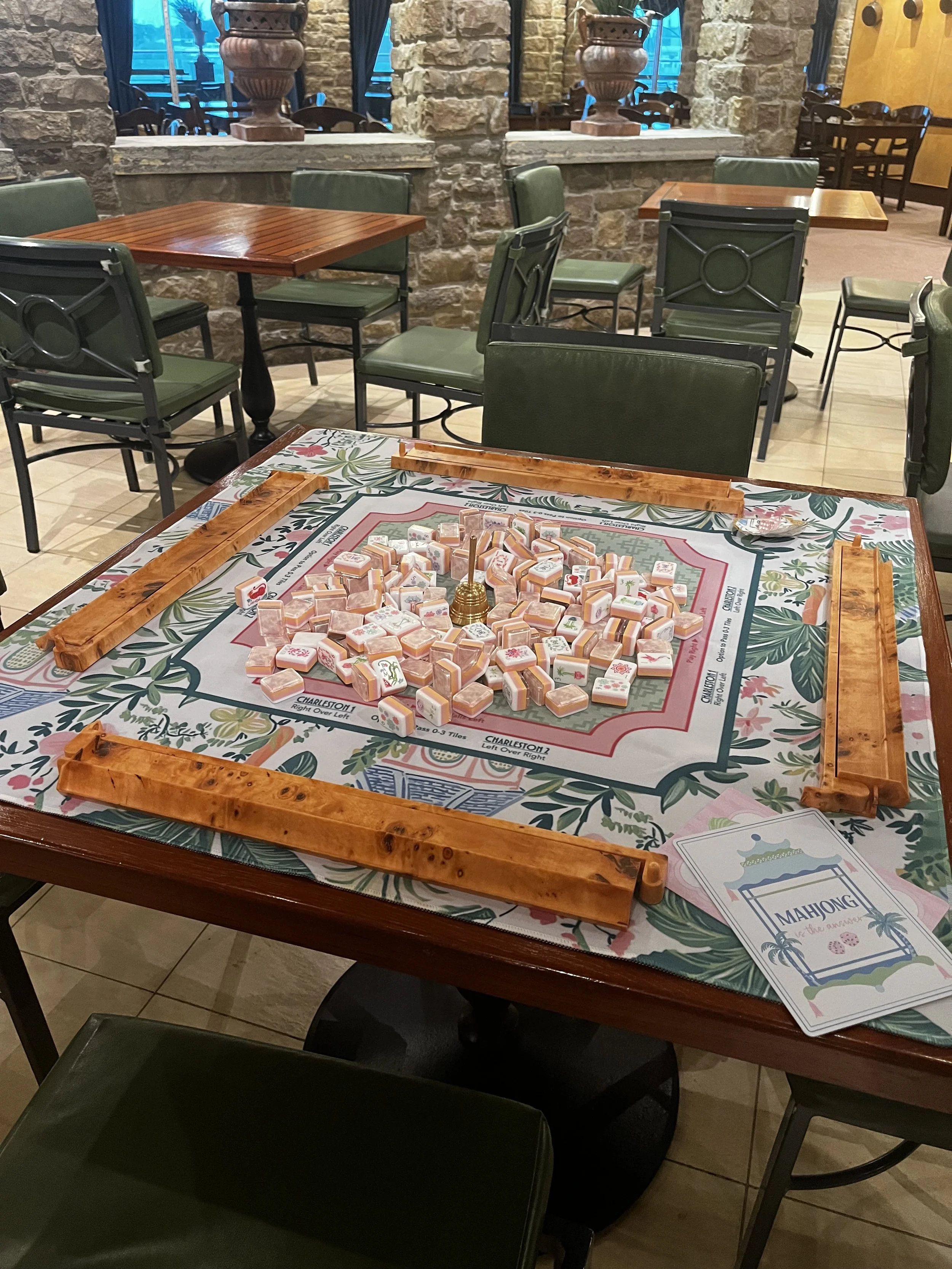
A Preview of Mahjong set up to play in one of our reserved playing space onboard Mahj at Sea.
It is our first real example of bringing mahjong and travel together. It is also a useful example of why the balance matters. The goal is not to place mahjong on any available itinerary. It is to create a trip where the game, destination, schedule, and group experience make sense together.
What future Mahjong Travel experiences are being planned?
I am working with mahjong instructors and travel partners to develop future cruises, retreats, and destination-based trips.
Some may place dedicated play at the center of the experience. Others may begin with a destination worth exploring and bring together travelers who would enjoy playing mahjong along the way. The amount of play, experience level, companion policy, and pace may be different each time.
That is intentional. No single Mahjong Travel format will be right for everyone, and I do not want it to be. I want each trip to be clear about what it offers so the right travelers can recognize it.
Join the Mahjong Travel interest list to hear about new experiences when the details are ready. Joining the list does not commit you to a trip. It simply gives you the opportunity to look at the full plan and decide whether it is one you would genuinely want to take.
If you have questions about Mahjong Travel, traveling with a non-playing companion, or the kind of experience that may fit you, please send me an email.